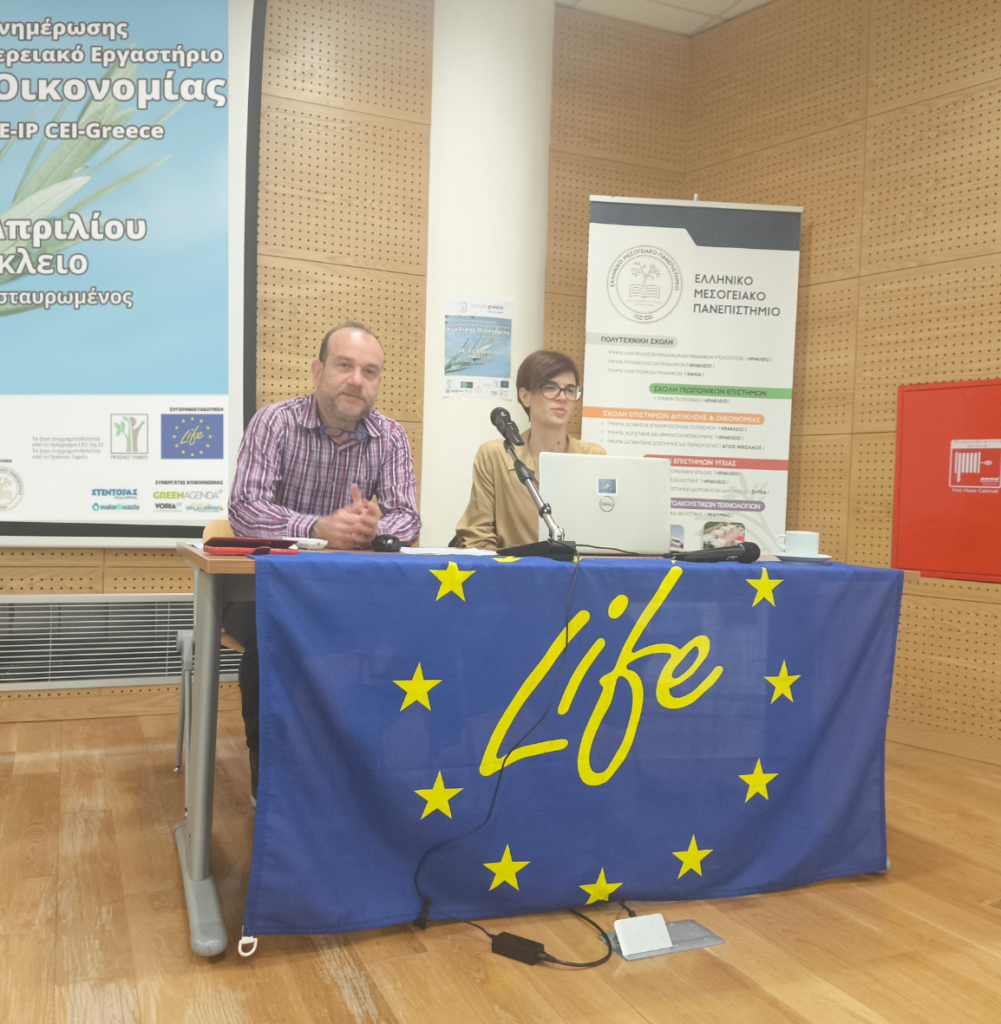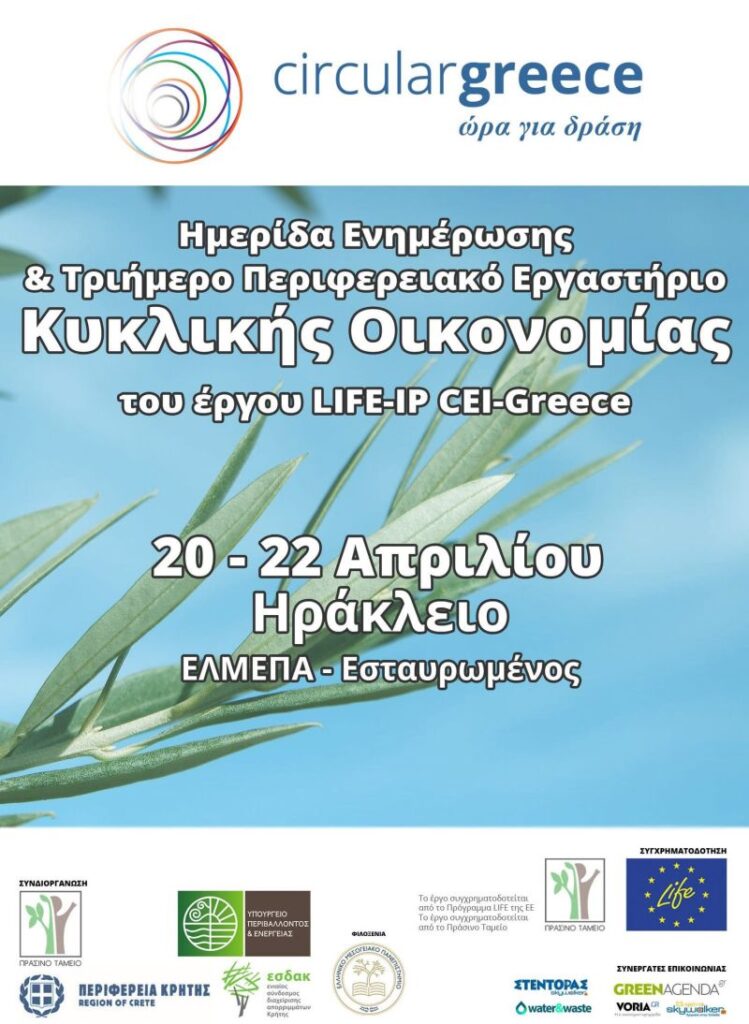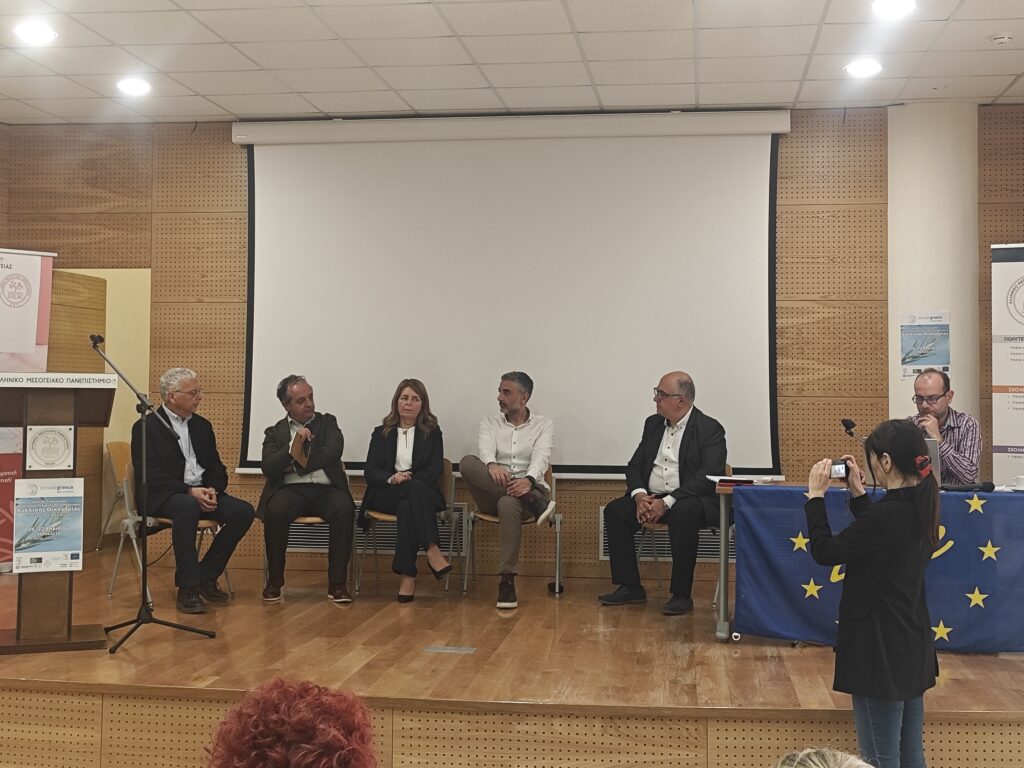
This week, a pivotal workshop brought together a multidisciplinary group of public authorities, academic researchers, and industry stakeholders to address the future of the circular economy in Crete. The event focused on the island’s unique sectoral challenges, with a special emphasis on transforming the agri-food sector into a model of sustainable regional development.
Strengthening Crete’s Circular Identity
The Industrial and Digital Innovations Research Group (indigo-TUC), representing the Technical University of Crete, played a central role in the day’s thematic discussions. Their contribution underscored the importance of integrating digital tools with physical circular practices to overcome local barriers.
Key Technical Insights
The workshop featured two significant presentations from the indigo-TUC team that bridged the gap between theoretical research and practical application:
- Valuing Agri-Food Waste: Maria Aryblia (Researcher at Indigo-TUC) delivered a presentation titled “Value Chains in the Management of Agri-Food Waste.” She highlighted how “value chain thinking” can turn agricultural residues—often seen as a burden—into high-value raw materials, reducing environmental footprints while creating new economic opportunities for local farmers.
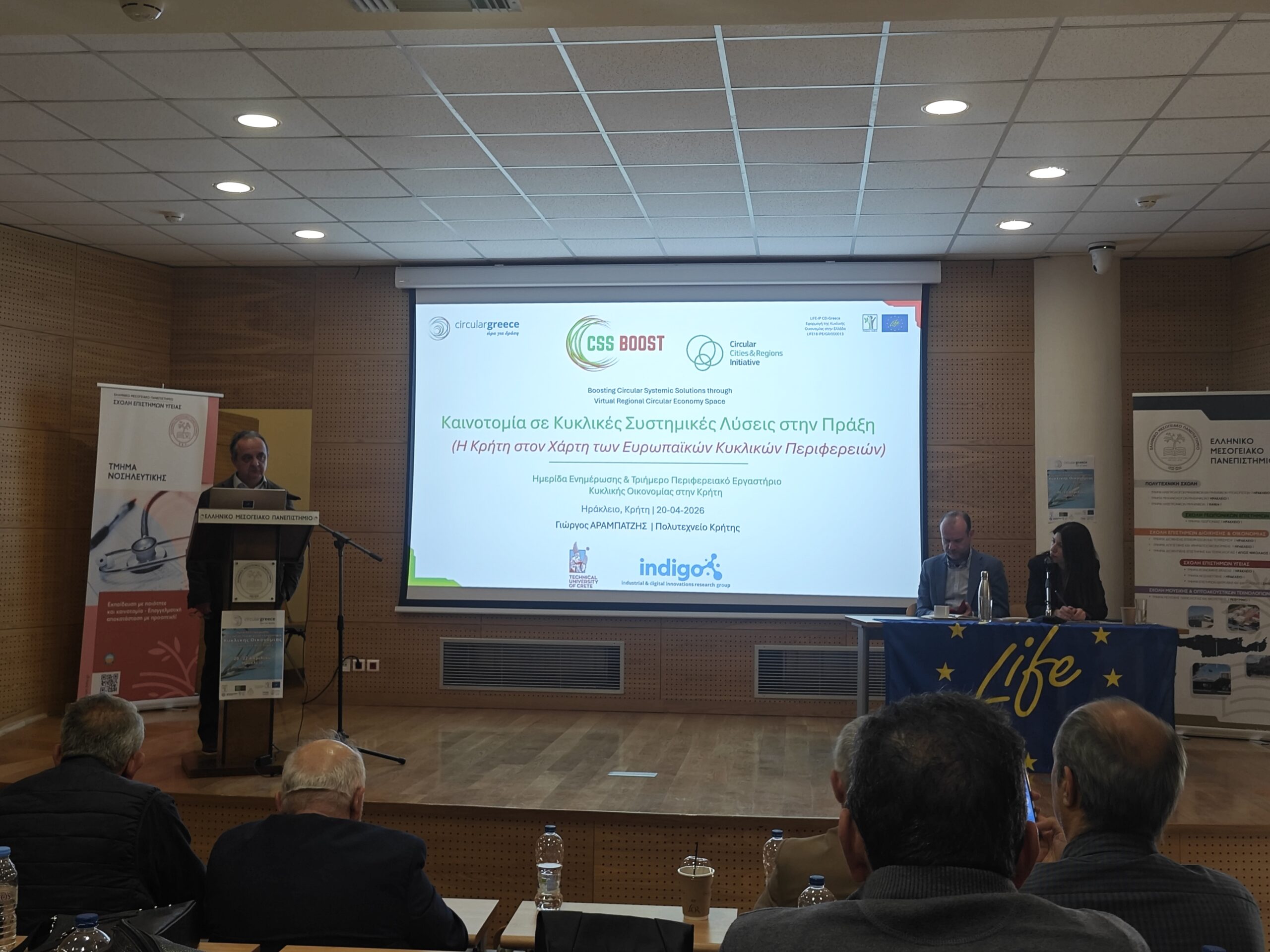
- CSSBoost as a Model for Innovation: George Arampatzis (Associate Professor at TUC and CSSBoost Coordinator) showcased the CSSBoost project as a leading example of circular systemic solutions in practice. He demonstrated how the project’s Cyber-Physical Systems can support the transition to circularity, further cementing Crete’s reputation as a key player among European Circular Regions.
The Global Context: CSSBoost & CCRI
This workshop is part of a broader effort under the CSSBoost project, a Horizon Europe initiative (2024–2027) co-financed by the Circular Cities and Regions Initiative (CCRI). By developing “Virtual Regional Circular Economy Spaces,” the project aims to minimize risks and maximize the impact of circular systemic solutions across Europe, with Crete serving as a primary pilot for agri-food and livestock valorization.
Looking Ahead
Looking Ahead: RETASTE 2026
The discussions held during this workshop serve as an important precursor to the upcoming Rethink Food Waste Conference (RETASTE 2026), which will take place in Rethymno, Crete, from September 16–18, 2026.