

Conventional Plastics and Bioplastics Recycling CSS
Technology Description
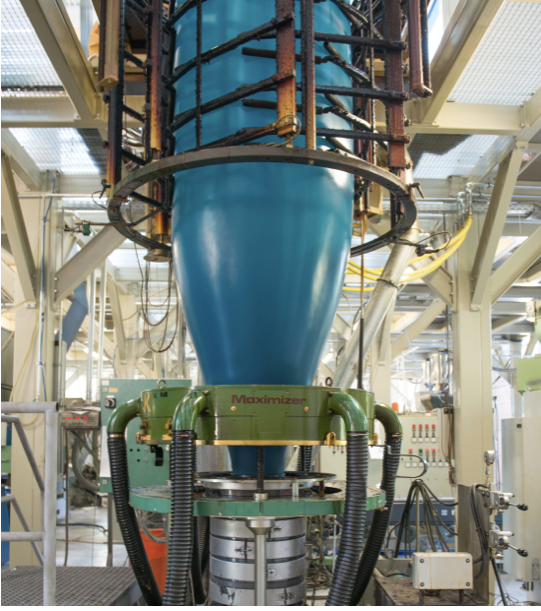
Pilot 3 of the CSSBoost project showcases innovative circular economy solutions within the plastics sector in Germany’s Northern Black Forest region. Its core concept is to create a fully integrated circular system by strategically connecting three key value chains: waste management and recycling through Remondis, the manufacturing of reusable packaging by the Infinex Group, and the production of CO₂-negative plastic compounds by Carbonauten GmbH.
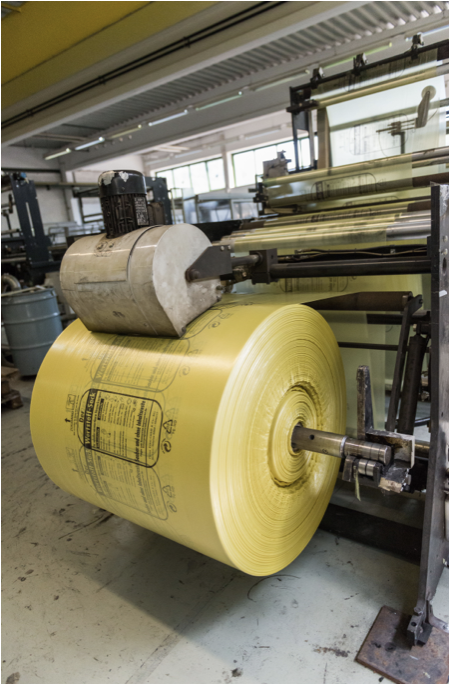
As a leading waste management company, Remondis is closing the loop in household waste disposal by producing recycled yellow bags entirely from collected household plastic waste. This approach lowers CO₂ emissions by almost 80 percent per kilogram of film and reduces transport distances by 99 percent, representing a major step towards decarbonisation in the municipal sector. Remondis’s specific application in the pilot project is therefore the creation of a regional closed loop for yellow bags, which will eliminate the future use of virgin materials for this product.
At the same time, Carbonauten GmbH is developing pioneering CO₂-negative compounds derived from woody biomass. Using a proprietary pyrolysis process, biomass is converted into technical biocarbons, which not only significantly lower the carbon footprint of plastic parts but also improve their performance by increasing stiffness, enhancing UV resistance, and reducing weight. This technology enables long-term carbon storage within the plastic matrix and reduces the need for petroleum-based polymers by up to 50 percent.
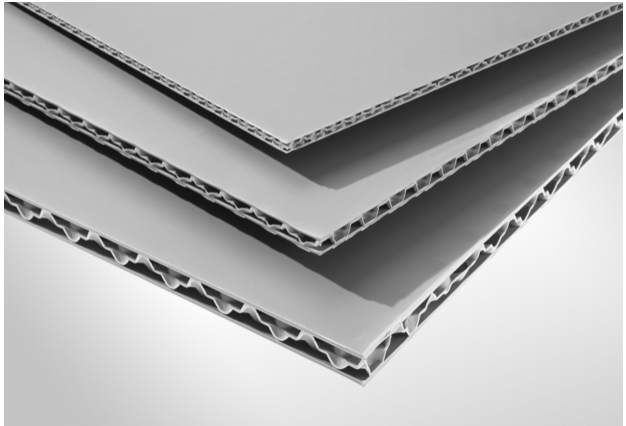
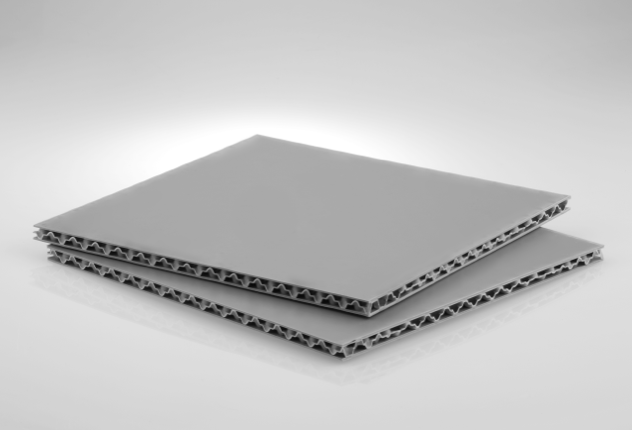
Infinex then incorporates these biocarbon-based compounds into the manufacture of its reusable twinwall sheets, which are used in packaging and industrial applications. This integration is designed to lower the CO₂ footprint of its products by at least 30 percent. Together, these efforts in Pilot 3 provide scalable, real-world solutions for advancing the circular economy and decarbonising the plastics industry.
Challenges Encountered
Pilot 3 encountered a range of technical, organizational, and implementation challenges, which the project team addressed through targeted measures and continuous monitoring. An overarching challenge was maintaining the engagement of initial partners under changing economic conditions. To mitigate this, the project implemented early partnership agreements, identified backup partners, and established ongoing monitoring of partner involvement.
Within the waste management and recycling chain, high operational costs, fluctuating secondary material revenues, and regulatory uncertainties are further aggravated by shortages of skilled personnel and inconsistent waste stream data. Digital monitoring solutions, process optimization, and quality assurance strategies are being deployed to address these issues.
Carbonauten is actively adapting its CO₂-negative compound to meet the specific requirements of Infinex’s production processes, ensuring consistent product quality. Market demand for sustainable materials still lags behind supply, and ongoing efforts focus on smooth customer integration of the compounds and securing reliable biomass supplies to support scalable production.
By proactively addressing these challenges, Pilot 3 seeks to ensure the technical feasibility, economic viability, and scalability of its circular solution within the plastics sector.


Value Chain 1: Remondis Recycling GmbH & Co. KG (Waste Management – Yellow Bags)
- Analysis of the Value Chain
: Detailed assessment of each process step to identify optimisation opportunities.
Lead: TZH | M6–M10 (Nov 2024 – Mar 2025)
Selection of CSS Boost Tools Evaluation and choice of the most suitable tools for pilot implementation. Lead: CAS | M11–M13 (Apr 2025 – Jun 2025) - Prototypical Implementation and Operation Development, testing, and operational deployment of selected tools. Lead: CAS | M19–M30 (Dec 2025 – Nov 2026) Milestone: Prototype operational in live environment (M30 – Nov 2026)
- Interim Assessment and Feedback : Mid-term evaluation of progress and integration of improvement measures. Lead: TZH | M28–M31 (Sep 2026 – Dec 2026)
- Sustainability Assessment and Validation : Final evaluation of ecological and economic sustainability impacts. Lead: SCRC | M31–M40 (Dec 2026 – Sep 2027) Milestone: Final validation report completed (M40 – Sep 2027)
Value Chain 2: Infinex Group (Twinwall Sheet with Negative CO₂ Compound)
- Analysis of the Value Chain Lead: TZH | M6–M10 (Nov 2024 – Mar 2025)
- Selection of CSS Boost Tools Lead: CAS | M11–M13 (Apr 2025 – Jun 2025)
- Prototypical Implementation and Operation Lead: CAS | M19–M30 (Dec 2025 – Nov 2026) Milestone: M30 – Prototype in full operation (Nov 2026)
- Interim Assessment and Feedback Lead: TZH | M28–M31 (Sep 2026 – Dec 2026)
- Sustainability Assessment and Validation Lead: SCRC | M31–M40 (Dec 2026 – Sep 2027)
Pilot 3 has successfully advanced the integration of circular economy solutions across its three value chains. In the waste management chain, Remondis will transition yellow bag production to a fully circular model using 100% recycled household plastics. This will reduce severely CO₂ emissions and cut transport distances by over 99 percent, creating a regional closed loop and eliminating the need for virgin materials.
A key focus has been the technical integration of Carbonauten’s CO₂-negative compounds into Infinex’s twinwall sheet production. This requires careful adaptation of extrusion processes to account for differences in material flow and viscosity, ensuring consistent product quality. Pilot-scale production now reaches 3,814 tonnes per year, achieving a targeted reduction of at least 30% in CO₂ footprint while reducing reliance on petroleum-based polymers by up to 50 percent.
Carbonauten’s compounds, derived from woody biomass via pyrolysis, also provide long-term carbon storage within the plastic matrix and improve material properties such as stiffness and UV resistance. Early results demonstrate measurable CO₂ reductions, enhanced energy efficiency, and scalable industrial applicability. Active monitoring and process adjustments continue to optimize technical feasibility and ensure seamless integration into Infinex’s manufacturing operations.